Build an emergency pantry around food you eat
A meal-first way to compare everyday groceries and emergency food buckets.
Write a menu before making a shopping list
Pick a short planning period and sketch breakfast, lunch, dinner, and snacks for each day. Include everyone’s dietary restrictions and ordinary preferences. The purpose is to reveal gaps: a shelf full of dinner pouches may still leave breakfast, utensils, and preparation water unresolved. Start with foods your household already accepts, then test unfamiliar options in ordinary conditions.
Separate ready-to-eat food from food that needs preparation
Massachusetts emergency-kit guidance includes nonperishable foods that do not require cooking. Set aside a practical no-cook portion of your plan. Then mark which other meals require water, heat, refrigeration after opening, or cleanup. A bag of dry food and a ready-to-eat can may look similar in a pantry inventory but create very different demands during an outage.
Compare total calories, not the large serving number
The calculator’s calorie target is an adjustable planning estimate, not a personal nutrition prescription. For a four-person, three-day example at 2,000 calories per person, the total is 24,000 calories. Divide the package’s total calories by that target to see its share. A hypothetical 6,000-calorie package covers one quarter of that example, whatever number of servings appears on the front. Read the full label for allergens and nutrient information too.
Buy in a way you can maintain
Add a few extra items during normal grocery trips and place older supplies where they will be used first. Choose package sizes that fit your household; large opened containers can create leftovers you cannot safely refrigerate. Keep a manual can opener with the canned food rather than assuming the kitchen drawer will be accessible. Emergency buckets can be an addition to this system, but compare their preparation requirements and actual contents before buying.
Your next steps
- Draft a day of meals and multiply it by your timeframe.
- Mark no-cook meals clearly.
- Count existing pantry calories and check allergens.
- Add utensils, a can opener, and preparation water.
Source and further reading
Massachusetts emergency-kit guidance. Source checked October 28, 2026. Examples and planning workflows are provided by Offgrid Family.
Put this into your household plan →Explore all preparedness guides
Food options that scale with your plan
The calculator starts with ready-to-eat canned food, sizes Mountain House pouches for smaller plans, and compares buckets or bulk rice and beans for larger plans. Large bucket plans stop at 20 pails or buckets and use dry staples for the rest. Include no-cook food, variety, safe preparation water and fuel.
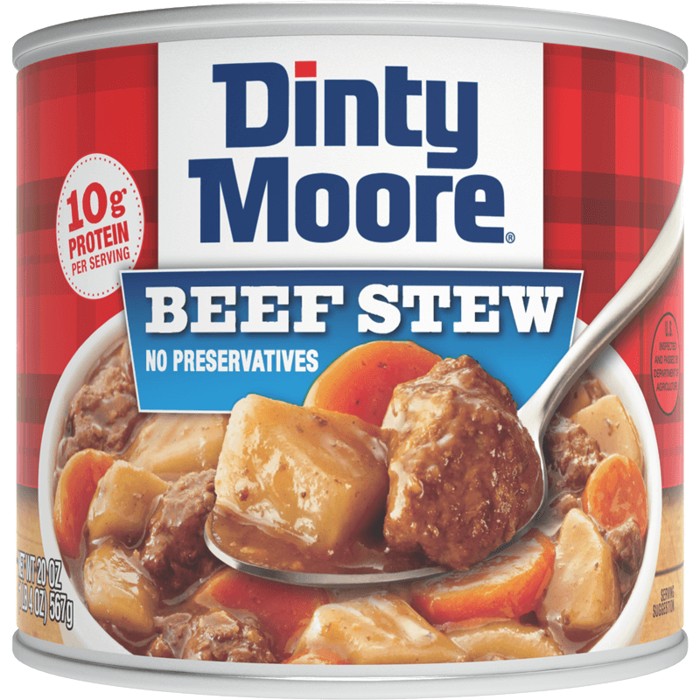
Dinty Moore Beef Stew 20 oz — case of 12
Check the exact model, package contents and fit for your household. We have not personally tested this product.
Check price on Amazon ↗Mountain House Beef Stew pouch
Check the exact model, package contents and fit for your household. We have not personally tested this product.
Check price on Amazon ↗Augason Farms 30-Day 1-Person Emergency Food Supply — 200-serving pail
Check the exact model, package contents and fit for your household. We have not personally tested this product.
Check price on Amazon ↗