Power grid down?
Keep the essentials working.
Plan for an outage that outlasts your phone battery. Start with safe water and food, then decide what needs electricity—and how you will keep supplying it.
First hour: protect people, then preserve resources
Check your utility’s outage information and official local alerts. An outage is not proof of permanent grid failure. Keep refrigerator and freezer doors closed, switch phones to low-power mode, and use flashlights instead of candles. Check on household members who need powered medical equipment, temperature control, or help moving.
Set a check-in time and a meeting place in case mobile service fails. Save important phone numbers and instructions offline. If a medical device has limited backup power, use the plan agreed with its supplier or care team; do not wait for the last battery warning to seek help. Build your communication plan.
First day and beyond: water, meals, sanitation, and a way out
Count stored drinking water before counting filters. A well pump may stop immediately, while municipal service can fail later. Follow local water advisories: an outage alone does not tell you whether tap water is safe. Use the household calculator to organize people, days, and supplies.
Start meals with foods your family already eats that need no cooking or refrigeration. A large dry-food supply also needs preparation water and sometimes cooking fuel. Keep a manual can opener available. Build a practical pantry.
With doors closed, an unpowered refrigerator generally keeps food cold for about four hours; a full freezer about 48 hours, or 24 hours if half full. Use appliance thermometers and official discard guidance; never taste food to decide whether it is safe. FoodSafety.gov.
Plan handwashing, waste containment, pet care, and access to a working toilet. Follow local instructions if sewer or septic service is compromised. Identify somewhere else to stay if safe water, essential care, or tolerable indoor temperatures cannot be maintained. Supplies buy options; they are not a reason to stay in unsafe conditions.
Fuel planning: buy the cans before you need the fuel
For a gasoline generator, choose approved gasoline containers and a lawful storage location before filling them. Label and date the fuel, rotate it through appropriate equipment, and follow the generator maker’s fuel and stabilizer instructions. Stabilizer does not restore old gasoline. Keep a vehicle-fuel plan separate from your generator budget.
Store fuel outside living areas in a secure, suitable location away from heat, flames, sparks, children, and pets. Ask your local fire authority about quantity limits and placement; rental or building rules may be stricter. Never use drinking-water jugs or store gasoline in your home. Shut the generator off and let it cool before refueling. NFPA generator safety.
Use the correct fuel for your machine. Dual-fuel generators have different consumption and output on different fuels; the gasoline estimator below does not calculate propane needs. Maintain oil, service parts, and appropriately rated cords according to the manual. If safe storage cannot cover your plan, reduce nonessential loads, arrange resupply, use another suitable power source, or relocate.
How much gasoline will your generator need?
Use measured consumption or the manufacturer’s figure at your intended load. Divide usable tank gallons by stated runtime hours if that is how the manual reports it. There is no universal gallons-per-day number.
Real products for the gaps in your plan
Start with what you already own. These are individual options, not a complete kit or a claim of personal testing.
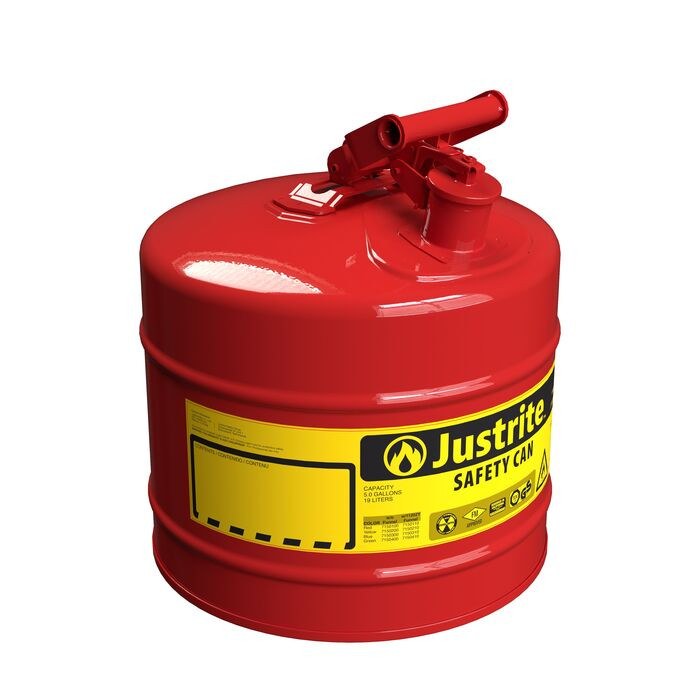
Justrite 7150100 · 5-gallon gasoline safety can
A dedicated red steel Type I container for gasoline, with a self-closing lid and flame arrester.
Check price on Amazon ↗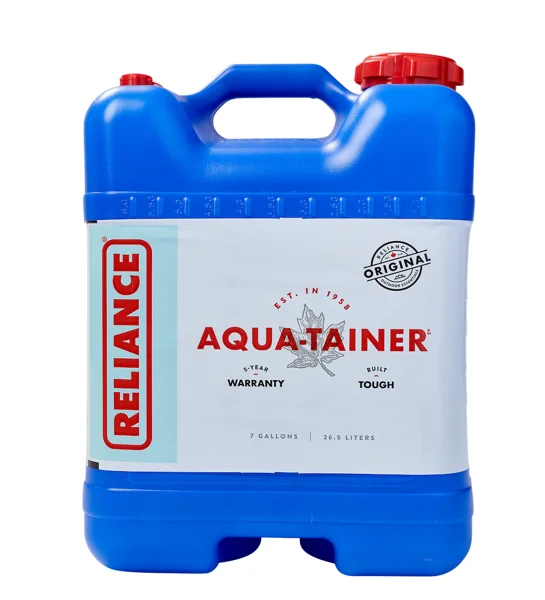
Reliance Aqua-Tainer · 7 gallons
Refillable storage for water you can access when taps or well pumps stop working.
Check price on Amazon ↗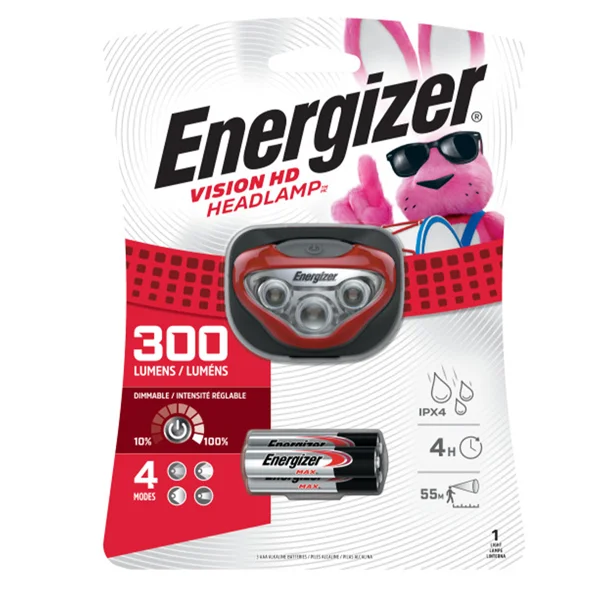
Energizer Vision HD headlamp
A hands-free light for meals, checking supplies, and moving around a dark home.
Check price on Amazon ↗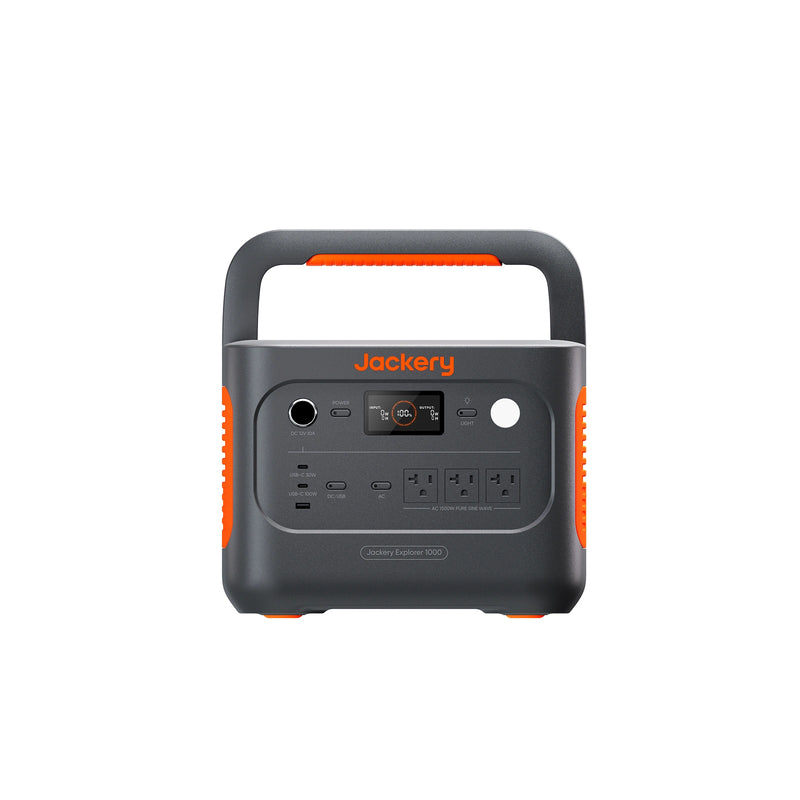
Jackery Explorer 1000 v2
A 1,070 Wh nominal battery with 1,500 W rated AC output to compare for selected essential devices.
Check price on Amazon ↗
Sea to Summit Wilderness Wash
A compact soap option to compare for your household hygiene kit.
Check price on Amazon ↗What stopped working: the device, its power, or the service?
A dark screen or lost internet connection does not identify a failed component. Start with external checks on dry, undamaged equipment. Do not repeatedly power up a device with burning smells, scorching, unusual heat, water exposure, or a swollen battery.
Phone or flashlight will not charge
Try a known-good, manufacturer-compatible cable and power source. Check the charging instructions. Replace an external cable or adapter only with a compatible item; matching the plug shape alone is not enough.
Router has lights but no internet
Your provider’s upstream equipment may be without power. Check its outage status before buying a replacement router. Local Wi-Fi can work while the internet connection is down.
Appliance will not start on backup power
Check the generator or battery’s overload indicators and the appliance’s starting requirements in their manuals. Do not bypass protective devices or keep resetting a tripping circuit. Ask a qualified technician if the cause is unclear.
Replacement or internal repair?
Use model-specific service guidance for user-replaceable parts. Do not open mains power supplies, generators, or battery packs to hunt for damaged capacitors or cells. Components can retain dangerous energy even after unplugging. Have a technician diagnose internal failures; a visible mark alone is not a reliable diagnosis.
Before the next outage
- Count stored water, ready-to-eat meals, and pet supplies.
- Charge lights and batteries; keep compatible spare cables.
- List essential devices, starting watts, and planned running hours.
- Buy suitable fuel cans, confirm storage rules, and plan a rotation schedule.
- Record generator fuel use and schedule its maintenance.
- Test CO alarms and identify a safe outdoor generator location.
- Keep a food thermometer, manual can opener, and hygiene supplies ready.
- Save contacts offline and agree when the household will relocate.
Turn this into your household plan
Choose your household size and timeframe, then work through water, food, light, and personal needs in order.
Build your family outage kit →Sources and product information
Sources checked October 28, 2026. Household workflows and fuel-calculator examples are Offgrid Family’s planning guidance. Product photos show the named items; they do not indicate agency endorsement.