Budget vs. upgrade: what to buy first for your family emergency kit
A useful kit is one your family can store, carry, use, and maintain. Spend on the gaps in your plan before spending on nicer versions of things you already have.
Set your household size and timeframe →Use the same calculator for a short disruption or a longer home plan. Your numbers change with your household, days, and assumptions; this guide helps decide how to meet them. A larger household needs more supplies, but not necessarily a more expensive version of every item.
1. Cover safe water before filtration
Affordable starting point: unopened commercially bottled water, or suitable storage containers filled and maintained correctly. Count the supply you already have. Split storage into containers you can move; one large vessel is not automatically the most useful choice.
Optional upgrade: refillable storage with a dispensing spigot can make rotation and use more convenient. Our calculator compares the Reliance 7-gallon container with your remaining target. It arrives empty and is heavy when full.
When filtration earns its place: only when you have a suitable source and know what treatment it requires. A gravity microfilter and a container solve different problems. Do not trade your stored-water budget for a filter and assume the water problem is covered.
2. Build a no-cook pantry first
Affordable starting point: plan meals from familiar shelf-stable foods. Ready-to-eat beans or canned meats, fruit, crackers, and nut or seed butter are possible building blocks. Choose items that fit your household’s dietary needs and check labels rather than relying on a universal shopping list.
Write out one day of meals, count the calories on those packages, then scale to your timeframe. Include variety, utensils, and a manual can opener. Choose package sizes you can finish, and follow refrigeration instructions after opening. This is a meal-planning exercise, not a reason to buy a large case of one food.
Optional upgrade: a long-storage entree bucket may make sense for meals you can prepare. Mountain House pouches and Augason pails in the calculator need preparation water; follow each package’s cooking instructions. Dinty Moore cans offer a ready-to-eat alternative. Keep no-cook food alongside it, account for preparation water, and check whether your family will eat the meals before buying multiple buckets.
3. Match power spending to a specific job
Affordable starting point: working flashlights, spare batteries where appropriate, and charged phone power banks you already own. A personal light is useful even when a shared room light is available. Check charging cables and test the controls before an outage.
Optional upgrade: a portable power station is worth comparing when you can name the devices and the runtime you need. Use the device calculator to estimate capacity, then check actual equipment draw, output limits, and recharge options. Our current Jackery power options may be below your calculated target; the site shows each option’s capacity against your target.
A flashlight and a power station are not interchangeable budget and premium versions of one product. They serve different jobs. Keep the light even if you buy the battery, and do not assume a battery makes a powered router’s internet connection work.
4. Fill the gaps that are specific to your home
First aid: inspect existing supplies before buying a second kit. A compact pouch can help with evacuation, but check its contents, expiration dates, and what your household actually needs. Training and clear instructions matter alongside supplies.
Hygiene: ordinary soap, toilet paper, waste bags, and personal-care items are a starting point. Concentrated soap is an optional packing convenience, not a replacement for the rest of your sanitation plan.
Pets and infants: start with their usual food, feeding or care supplies, records, and transport needs. A collapsible pet bowl saves space; a bowl you own may already do the job. Review infant supplies as sizes and feeding needs change.
Medication planning: use our medication preparedness guide to prepare questions for your pharmacist or prescriber. A shopping recommendation cannot decide your individual medication supply or storage needs.
Your starting checklist is covered. Pause and review.
Before buying an upgrade, ask: What problem does it solve? Can everyone who needs it use it? Can we maintain it? Does it leave a more important gap unfunded?
- Count what you own and subtract it from your targets.
- Try unfamiliar food and practice using equipment in ordinary conditions.
- Set reminders for water rotation, expiration checks, and charging.
- Review local alerts, evacuation plans, and changing household needs.
Once the selected categories are covered, you can stop shopping for now. A completed checklist is a starting point to maintain, not a guarantee of readiness.
Sources and product information
CDC emergency water storage guidance and Massachusetts emergency-kit guidance inform the water and no-cook food guidance. Product options and their limitations are on the linked category pages. This is an original Offgrid Family buying workflow, not a hands-on product comparison.
Return to your calculated family kit →Explore all preparedness guides
Products to compare
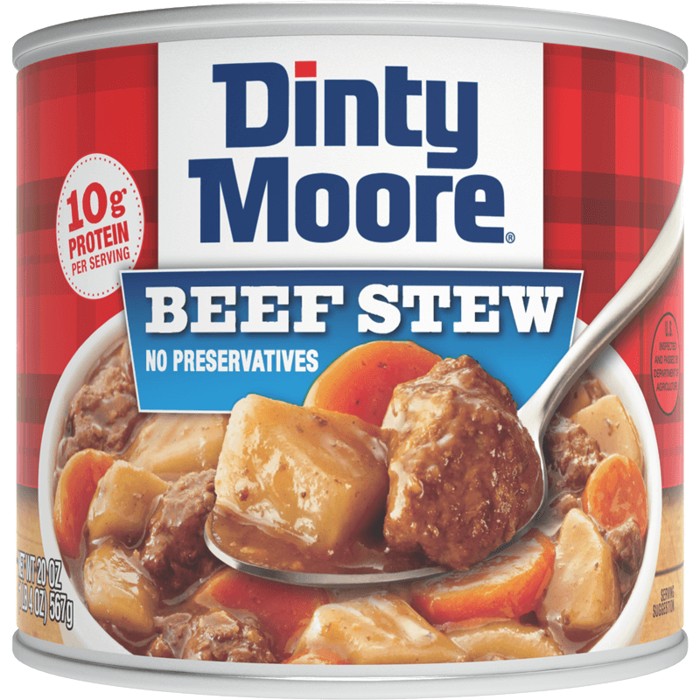
Dinty Moore Beef Stew 20 oz — case of 12
Check the exact model, package contents and fit for your household. We have not personally tested this product.
Check price on Amazon ↗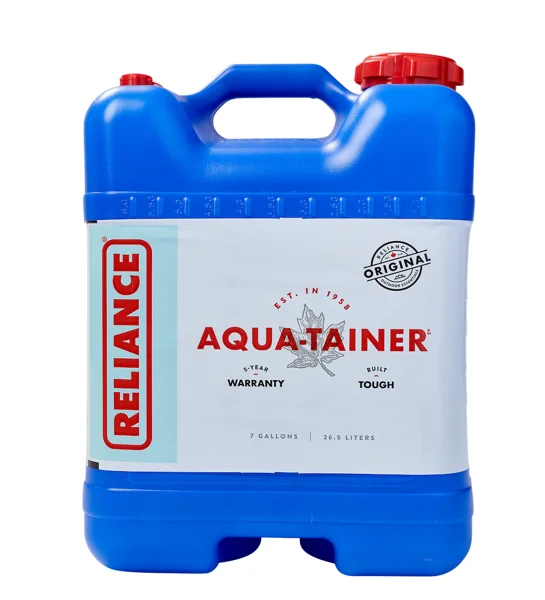
Reliance Aqua-Tainer 7 gallon
Check the exact model, package contents and fit for your household. We have not personally tested this product.
Check price on Amazon ↗Jackery Explorer 300 Plus
Check the exact model, package contents and fit for your household. We have not personally tested this product.
Check price on Amazon ↗